When Professional Bereavement Counselling Helps

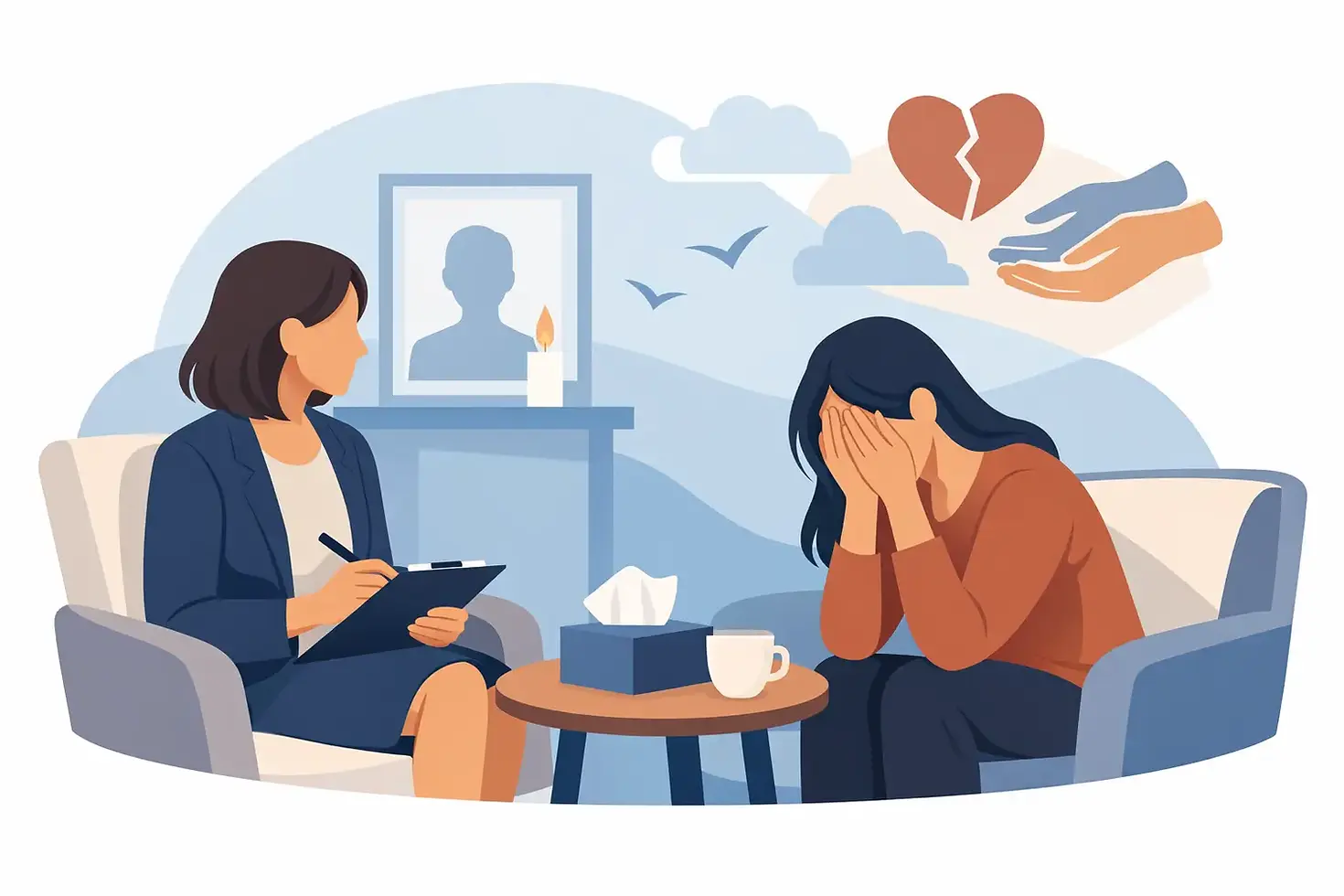
Some losses leave a family quiet. Others bring tension, exhaustion, sleeplessness, and decisions that feel impossible to make. In those moments, professional bereavement counselling can provide something many grieving people do not realize they need at first - a calm, structured space where grief is acknowledged, understood, and gently supported.
Grief does not follow a schedule. It can arrive as tears, numbness, guilt, anger, panic, or even relief after a long illness. For some people, these feelings shift from hour to hour. For others, they settle in more slowly, surfacing after the funeral when visitors stop calling and daily routines begin again. That is why compassionate guidance matters. Bereavement support is not about rushing anyone forward. It is about helping individuals and families carry loss with greater steadiness, dignity, and care.
What professional bereavement counselling really offers
Many people assume grief counseling is only for severe emotional breakdowns. In reality, professional bereavement counselling is often most valuable much earlier, when a person is trying to understand what they are feeling and how to function through it. A trained counselor helps make sense of emotional reactions that may feel unfamiliar or overwhelming. They also create a private setting where the grieving person does not need to protect others, stay strong, or explain why they are struggling.
This kind of support can be practical as well as emotional. A bereaved spouse may need help coping with loneliness and fear. An adult child may be trying to manage sorrow while also coordinating arrangements, paperwork, and family expectations. Siblings may be grieving the same parent in very different ways and finding it hard to communicate. Counseling does not remove pain, but it can reduce isolation and prevent grief from becoming harder to carry than it needs to be.
Professional support also brings perspective. Not every painful reaction means something is wrong. Difficulty sleeping, trouble concentrating, changes in appetite, tearfulness, and emotional numbness can all be normal parts of mourning. At the same time, there are moments when grief becomes more complicated and deserves closer attention. The value of a qualified counselor lies in knowing the difference.
When professional bereavement counselling may be especially helpful
There is no single right time to seek help. Some families reach out immediately after a death. Others do so weeks or months later, when they realize they are not coping as well as expected. Both are valid.
Counselling may be especially helpful after a sudden death, an accident, suicide, or the loss of a child. These experiences often bring shock alongside grief, and shock can delay emotional processing. It may also be important when a death follows family conflict, unresolved relationships, or difficult caregiving circumstances. In those cases, mourning can become tangled with regret, anger, or exhaustion.
Support is also worth considering when grief begins to affect daily life in a sustained way. If someone cannot return to work, withdraws from loved ones, uses alcohol to manage emotion, or feels trapped in guilt or despair, professional care may offer needed stability. The same is true for people who seem composed during the funeral period but fall apart afterward. Public strength does not always reflect private wellbeing.
Children and teenagers may need specialized support too. Young people often grieve in bursts, moving between sadness and ordinary play or routine. Adults sometimes misread that pattern as indifference. A trained counselor can help families respond with patience and consistency instead of worry or pressure.
Grief is personal, but family dynamics matter
One of the hardest parts of loss is that grief rarely affects only one person. It changes the emotional balance of an entire household. One family member may want to talk constantly about the person who died. Another may avoid the subject completely. One may focus on rituals and memorial planning, while another feels too overwhelmed to participate.
Neither response is automatically better. The difficulty begins when family members interpret different grieving styles as lack of love, lack of respect, or lack of responsibility. This is where counseling can be deeply valuable. It gives families a way to speak honestly without turning grief into conflict.
In premium funeral care, emotional support and practical decision-making often meet at the same time. Families may be choosing ceremonial details, discussing burial or memorial options, and trying to honor religious or cultural traditions while still coping with fresh loss. Sensitive guidance can help preserve harmony during these conversations. It reminds families that grief is already heavy enough without misunderstanding making it harder.
What to expect in professional bereavement counselling
For many people, the unknown is what makes counseling feel intimidating. In practice, sessions are usually calm and conversational. A counselor may ask about the person who died, the circumstances of the loss, current emotional symptoms, sleep, support systems, and what feels most difficult right now.
There is no requirement to speak in a certain way or produce a breakthrough. Some sessions are centered on emotion. Others are more focused on coping tools, routines, memory work, or difficult family interactions. A good counselor will not force acceptance, positivity, or closure. Those words can feel hollow in early grief. Instead, they help people build the capacity to live with loss in a healthier and more supported way.
Counseling may be short-term or longer-term depending on the person’s needs. A few sessions may be enough for someone who needs reassurance and structure during the early weeks. Others may benefit from ongoing care, especially after traumatic or layered loss. The right length depends on the individual, not on a fixed timetable.
Choosing the right support with care
Not all grief support is the same, and it is reasonable to be selective. Families should look for professionals with experience in bereavement, not only general counseling. Sensitivity to faith, culture, and family structure matters as well, especially when funeral and memorial traditions carry deep meaning.
It also helps to find a counselor whose manner feels steady and respectful. Technical skill is important, but so is emotional presence. A grieving person should feel safe, not managed. They should feel heard, not analyzed from a distance.
For some, individual counseling is the best fit. Others may prefer family sessions or grief support groups. There is no universal answer. Private counseling offers confidentiality and depth. Group support can reduce loneliness by connecting people with others who understand loss firsthand. The right choice depends on personality, family needs, and the nature of the bereavement.
Providers who offer broader aftercare support can make this process easier. In settings where funeral coordination, memorial planning, and bereavement care are approached with the same standard of dignity, families often feel less fragmented during a difficult time. That continuity can be reassuring because grief does not end when the service does.
Why support after the funeral matters
The days leading up to a funeral are often full of activity. There are calls to make, relatives to receive, traditions to observe, and arrangements to confirm. Structure can carry a family through that initial period. Once the ceremonies are over, however, the quiet can feel far more difficult than the planning.
This is often when grief becomes more private and more disorienting. Empty rooms, anniversaries, financial adjustments, and changed family roles all begin to settle in. A son may suddenly realize he is now the eldest decision-maker. A widow may face evenings alone for the first time in decades. An adult daughter may feel the weight of being strong for everyone else.
Professional bereavement counselling becomes especially meaningful here. It supports not just immediate sorrow, but the long process of adjustment. It gives people permission to grieve beyond the public mourning period. It also helps them rebuild confidence in daily living without feeling they are leaving their loved one behind.
For families who value thoughtful, dignified care, this kind of support is not an extra. It is part of honoring the whole reality of loss. At Nirvana Funeral Service, the most meaningful standard of care extends beyond ceremony alone and recognizes that families may need guidance long after the final farewell.
Seeking help for grief is not a sign that love was too weak or sorrow too strong. It is often a wise and compassionate response to a life-changing loss. When mourning feels heavy, confusing, or isolating, the right support can offer steadiness, understanding, and room to heal at a human pace. Sometimes the kindest thing a family can do is allow grief to be cared for with the same dignity as the farewell itself.


Comments