
Taoist Funeral Services for a Meaningful Farewell

A Taoist funeral is more than a series of ceremonial steps. It is a final act of filial devotion, a time for family members to gather with reverence, and an opportunity to honor a loved one according to deeply held beliefs. Taoist funeral services can involve many decisions within a short and emotional period, from engaging the appropriate priest and preparing the wake to selecting burial or cremation arrangements. Gentle, experienced guidance helps families give their loved one a farewell that feels spiritually appropriate and personally meaningful.
What Taoist Funeral Services Are Designed to Honor
At the heart of a Taoist funeral is the belief that death is a transition rather than an ending. The rites performed are intended to show respect to the deceased, support the soul's journey, and bring comfort and spiritual reassurance to the family left behind.
Ceremonies may include prayers, chanting, scripture recitations, incense offerings, food offerings, and symbolic paper items. A Taoist priest usually leads the religious rites, offering prayers and conducting rituals that reflect the family's dialect group, temple tradition, and personal wishes. Practices can differ among Hokkien, Cantonese, Teochew, Hakka, and other Chinese communities, so there is no single format that every family must follow.
This flexibility matters. A meaningful service should honor tradition without making a grieving family feel pressured to include rituals they do not understand or do not wish to observe. The right arrangements create space for prayer, remembrance, and family unity while ensuring every practical detail is handled with care.
Planning Taoist Funeral Services With Clarity
When a death occurs, families are often asked to make decisions before they have had time to absorb their loss. A professional funeral coordinator can bring order to this difficult moment by explaining the available options clearly and coordinating the ceremony from beginning to end.
The first considerations usually include whether the service will be held at a funeral home, family residence, or another suitable venue; how many days the wake will last; and whether the final disposition will be burial or cremation. These choices may be guided by religious practice, family tradition, the wishes of the deceased, and practical considerations such as travel arrangements for relatives.
A complete arrangement may also include the collection and preparation of the deceased, a dignified casket, embalming where appropriate, a professionally prepared memorial setting, floral tributes, obituary notices, transportation, and support for the funeral procession. For many families, having one trusted team manage these details offers welcome peace of mind. It allows family members to focus on welcoming relatives, participating in rites, and being present for one another.
Choosing the Right Priest and Ceremony Format
The priest plays a central role in a Taoist service. Families may have an existing relationship with a temple or religious leader, while others may need assistance arranging a qualified priest. It is helpful to discuss the family's background, preferred dialect, and any customs that are especially important before confirming the ceremony.
Some families prefer an extensive traditional service with several prayer sessions over multiple days. Others may choose a more modest format that preserves essential rites while accommodating a smaller gathering or a limited schedule. Neither choice is less respectful. Dignity comes from the sincerity of the farewell and the thought given to each decision.
If family members have different views, it can help to identify the few traditions that matter most to the immediate family and the deceased. A coordinator can then help build a service around those priorities, rather than adding unnecessary elements simply because they are customary elsewhere.
The Wake, Prayer Rites, and Final Farewell
The wake gives relatives, friends, colleagues, and members of the community an opportunity to pay their respects. The space is typically arranged with a portrait of the deceased, floral displays, an altar or prayer area, candles or lights, and offerings prepared according to the family's religious customs. Details such as attire, mourning periods, and visitor etiquette may also vary by tradition.
During the wake, the priest may lead chanting and prayers at scheduled times. Family members may offer incense, bow before the altar, and participate in symbolic acts of remembrance. Paper offerings may be prepared and burned as part of the rites, though the exact type and timing should follow the priest's guidance and the venue's safety requirements.
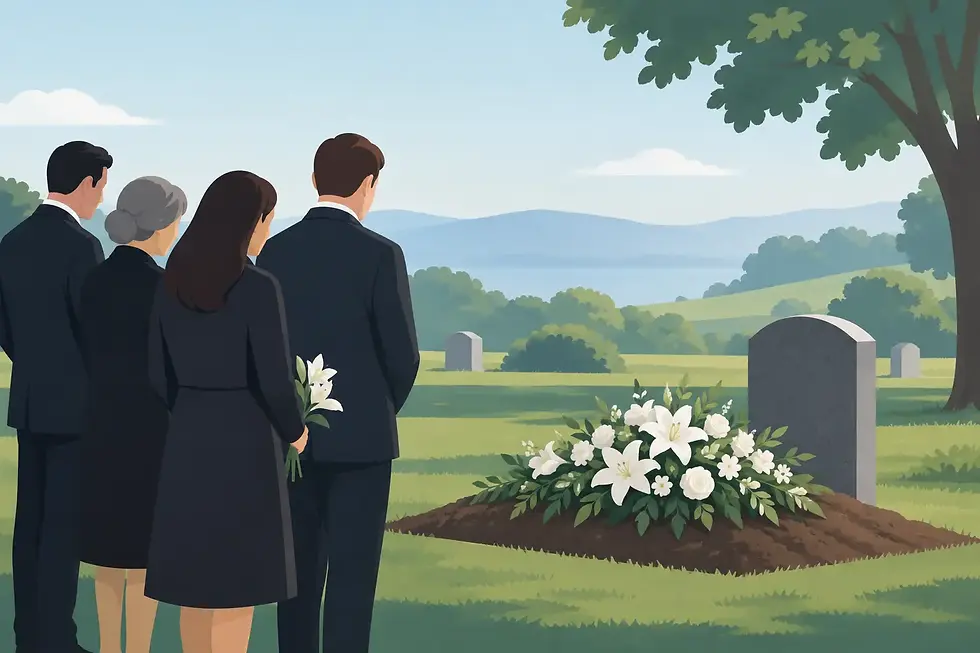
On the final day, the funeral procession marks a solemn transition. Depending on the chosen arrangements, the family may accompany their loved one to a crematorium or burial site. Prayer rites may continue at the graveside, where the priest offers blessings and guides the family through the final ceremonial steps.
These moments can be emotionally demanding. Clear coordination of transportation, the procession order, ceremonial items, seating, and timing reduces avoidable stress. It also gives the family confidence that the farewell will proceed respectfully, even when many relatives and guests are present.
Burial, Cremation, and Memorial Choices
A Taoist funeral may conclude with either burial or cremation. The choice often depends on family preference, available memorial space, religious guidance, and long-term plans for honoring the deceased.
For families selecting burial, the location and orientation of the plot may be important. Some may seek guidance related to feng shui, while others prioritize a peaceful, well-maintained memorial environment that is convenient for future visits. Single, double, and family burial plots can provide different ways for families to plan a lasting place of remembrance.
For cremation, families may later choose to place ashes in a columbarium niche, inter them in a burial plot, or make another arrangement that aligns with their beliefs. It is wise to consider not only the day of the funeral, but also how future generations will visit, pray, and remember.
A memorial decision does not need to be rushed without support. Families deserve clear information about the available options, associated arrangements, and the level of ongoing care provided for the site.
Support That Extends Beyond the Funeral Day
The days after a funeral can bring practical responsibilities alongside grief. Families may need help with ash collection, memorial placement, documentation, tribute materials, or arrangements for later prayer ceremonies. In some traditions, families also observe significant dates after the passing, including the 49th day, the first anniversary, and Qing Ming visits.
Thoughtful aftercare recognizes that grief does not end when the ceremony concludes. A trusted provider can explain what comes next without overwhelming the family, while respecting the pace at which each person is ready to make decisions.
For families in Kuala Lumpur, Selangor, Melaka, and Johor Bahru, access to coordinated funeral care and a dignified memorial environment can make a profound difference during this period. Nirvana Funeral Service provides guidance across funeral arrangements and longer-term memorial planning, helping families move forward with greater assurance.
The Value of Pre-Planning a Taoist Farewell
Pre-planning is not about anticipating loss without emotion. It is about sparing loved ones from uncertainty when the time eventually comes. By recording preferences for Taoist rites, burial or cremation, memorial location, and budget, an individual can give their family a clearer path during a deeply difficult time.
Pre-planning also gives families time to consider choices carefully rather than under immediate pressure. They can discuss traditions with elders, identify a preferred priest or ceremony style, and select a memorial option that suits the family's long-term needs. Most importantly, they can make these decisions together, in a setting shaped by care rather than urgency.
A well-planned Taoist farewell does not need to be elaborate to be memorable. When every prayer, gesture, and practical arrangement is handled with respect, the family is free to do what matters most: stand together, honor a life well lived, and carry that love forward.


Comments